You commissioned your platform eighteen months ago. The code is modern, the team is sharp, and the system does what it was built to do. So why does it already feel behind?
Because the rules changed while you were building.
The 5-7x Factor
Traditionally, enterprise software had a useful life of eight to twelve years. Frameworks evolved slowly, integration standards were stable, and the competitive landscape shifted in quarters, not weeks.
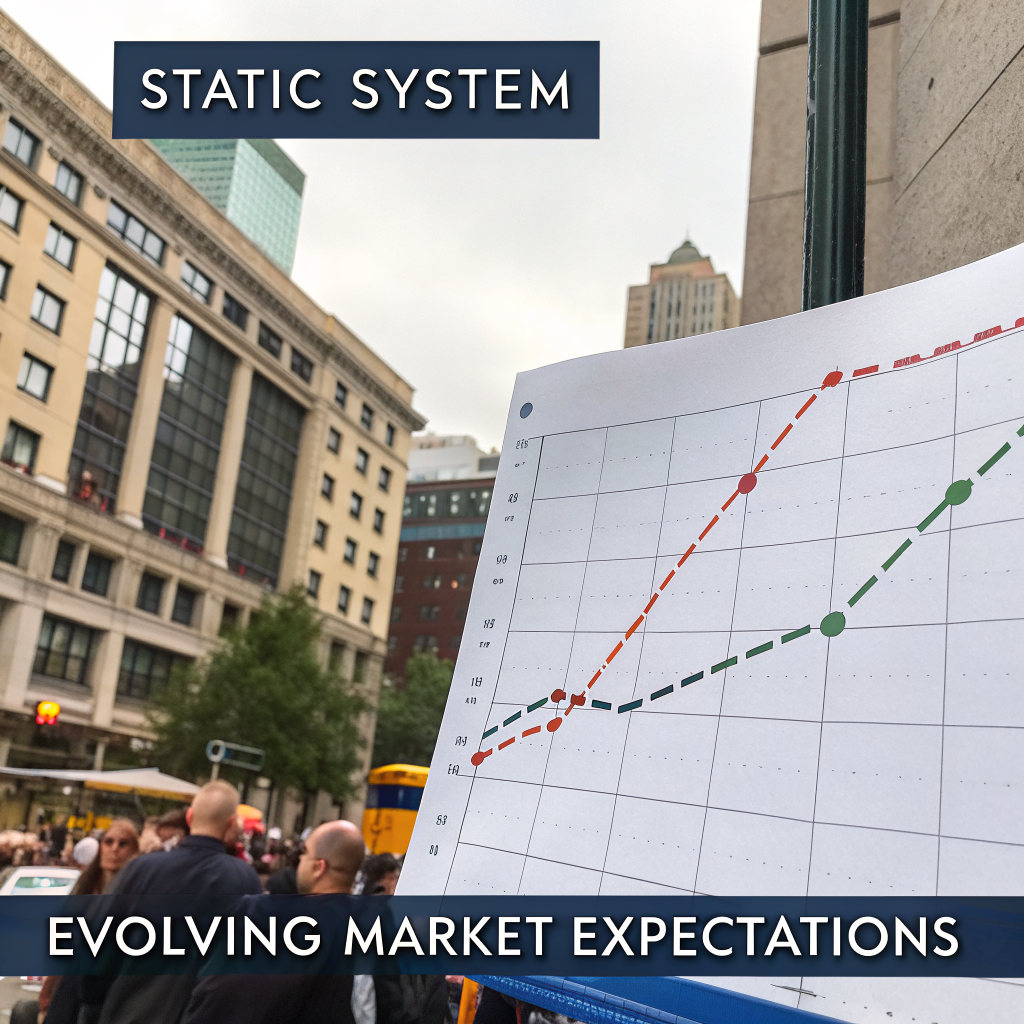
That arithmetic no longer holds. AI-native tooling, rapidly iterating cloud frameworks, and shifting user expectations have compressed the aging curve by a factor of five to seven. A system built eighteen months ago may already be functionally a decade behind — not because it was built poorly, but because the environment around it accelerated.
Consider what has shifted since early 2025 alone:
- AI-assisted workflows moved from experimental to expected. Customers and staff now assume intelligent automation is standard.
- Framework release cycles shortened. Major platforms ship breaking capability upgrades quarterly, not annually.
- Integration expectations expanded. Partners and regulators expect real-time data exchange, not batch uploads.
Each of these shifts compounds. A system that missed one cycle is inconvenienced. A system that missed three is structurally behind.
The Pattern in Practice
We see this pattern across our client base. A recent engagement illustrates it clearly: a Caribbean organisation built a core operational platform just over a year ago. By every internal measure, the system was recent.
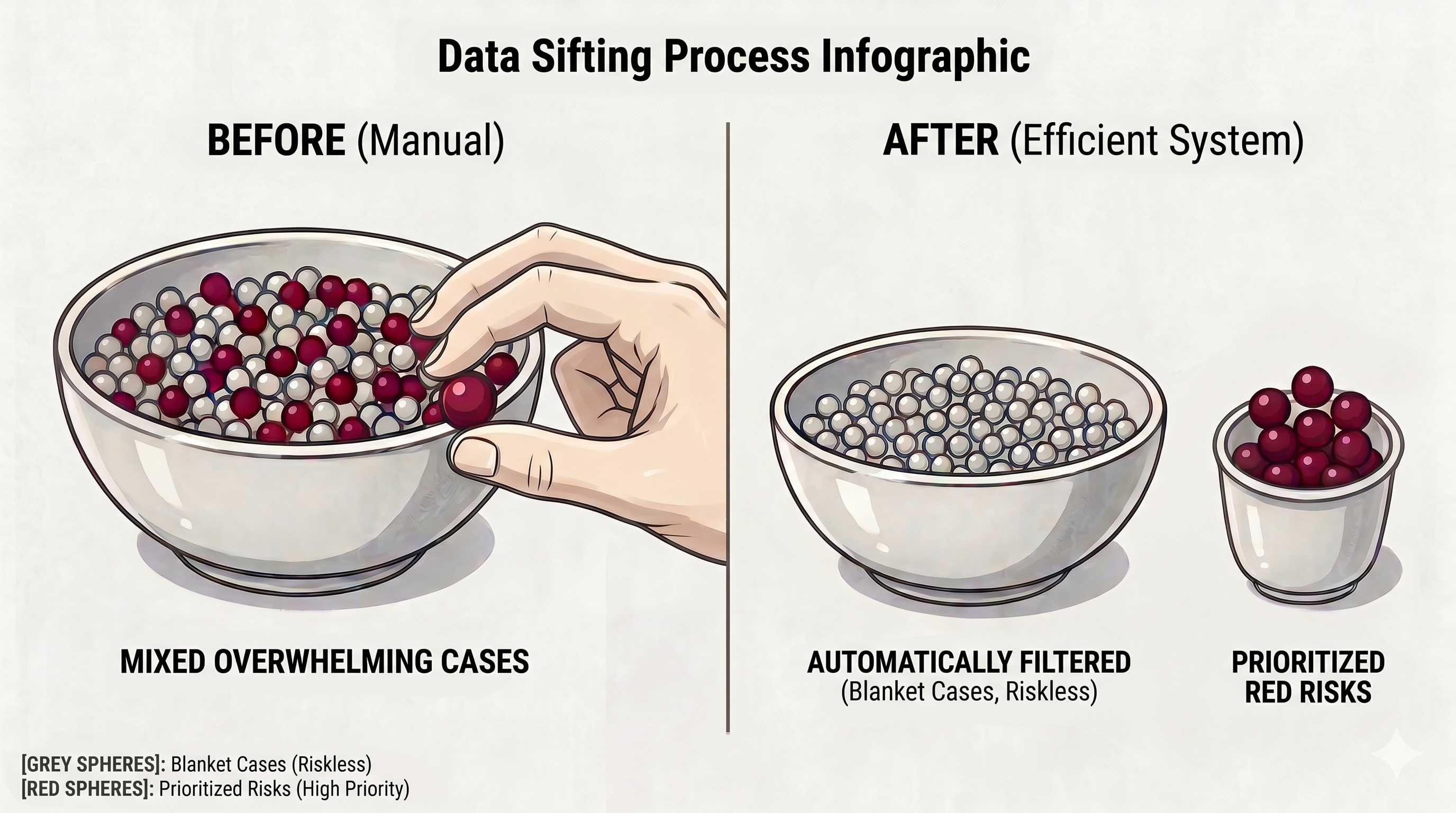
But a structured external assessment revealed a different picture. The platform lacked AI-readiness in its architecture. Key framework dependencies had moved two major versions ahead. Integration patterns that were acceptable at launch now created friction with partner systems.
The gap was not a matter of poor decisions at build time. It was a matter of acceleration — the environment moved faster than anyone projected.
Why Internal Assessment Underestimates the Gap
Teams that built a system are poorly positioned to assess its current standing. This is not a failing — it is human nature. Three biases consistently distort internal reviews:
- Familiarity bias. The team knows every workaround and compensating control. They see capability where an outsider sees technical debt.
- Sunk cost anchoring. The investment in the current system creates psychological resistance to acknowledging depreciation.
- Narrow benchmarking. Internal teams compare against their own past state, not against what the market now expects.
An external assessment with fresh eyes cuts through all three.
The Compounding Problem
The acceleration effect does not plateau — it compounds. Waiting another twelve months does not add twelve months of gap. It adds two to three years of functional distance, because each framework cycle, each AI capability release, and each integration standard shift widens the delta.
Organisations that act now face a manageable modernisation exercise. Organisations that wait face a rebuild.
What To Do About It
The first step is honest assessment. Not a twelve-week audit. Not a committee. A structured, time-boxed review by someone who has no stake in the current architecture.
That is precisely what our Health Check delivers: two focused hours that map your system’s current position against the acceleration curve, then give you a clear framework for what comes next — extend, modify, or rebuild.
The answer might surprise you. In either direction.
Book a free 2-hour Health Check — know exactly where your system stands.